Table of contents
Missed a museum slot, a train ran late, the weather flipped, and suddenly your neat itinerary is useless, this is how many trips derail. Yet in 2026, with cities struggling to balance crowd control and traveler expectations, spontaneity is quietly becoming a smarter way to move, spend, and discover, and not just a romantic idea. From last-minute local festivals to pop-up food stalls and surprise detours on regional rail, unplanned choices can turn a standard break into a trip you actually remember, while often keeping costs and stress in check.
When plans fail, the trip improves
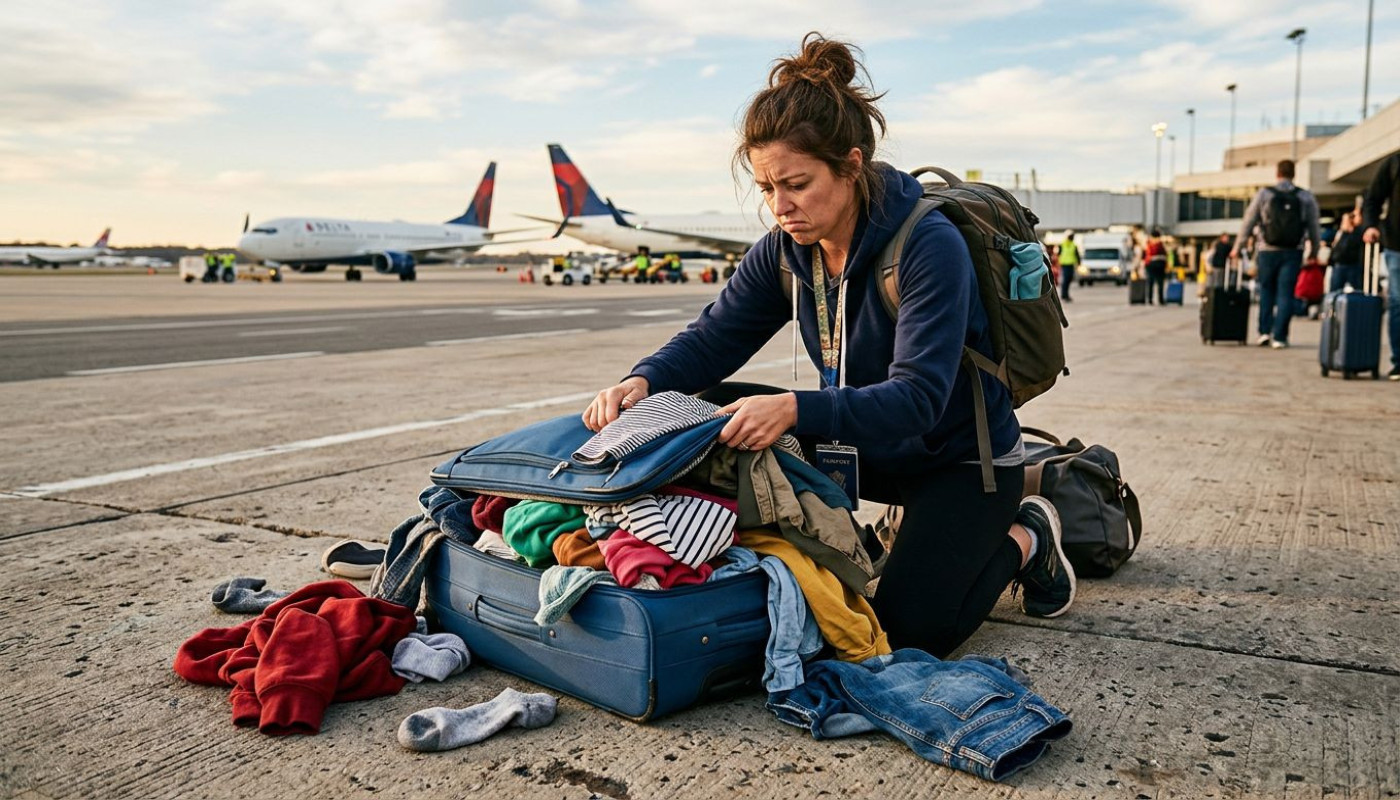
It usually starts with friction: a sold-out exhibit, a restaurant that cannot fit you in, a “must-see” viewpoint swallowed by fog. The reflex is to force the plan anyway, and many travelers do, burning time in queues and money on peak-hour transport, only to arrive tired and underwhelmed. But travel researchers have long noted a paradox that anyone who has taken a few trips recognizes, the moments people recall most vividly are often the unbudgeted ones. In a 2020 study in Journal of Consumer Research, scholars including Amit Bhattacharjee and Cassie Mogilner Holmes examined how people remember experiences, and found that “peak” moments and surprises disproportionately shape memory, while routine satisfaction fades faster. You do not need a lab to see it, the unplanned street concert tends to outlast the perfectly scheduled coffee break.
Spontaneity also acts as a pressure valve in places that are increasingly managed like systems. Venice has tightened visitor flows, Barcelona has debated limits on short-term rentals, and Amsterdam has run campaigns to deter certain kinds of tourism; even smaller destinations now use timed ticketing and reservation windows to smooth demand. For travelers, that means a rigid schedule can collide with the reality of capacity and regulation, whereas flexible days let you pivot without losing the afternoon. If the 10:00 slot disappears, you go at 17:30, and if the headline attraction is packed, you swap it for something that fits the city’s actual rhythm.
There is an economic argument too, and it is not only about chasing bargains. Aviation data analysts have repeatedly shown that last-minute flights can be expensive, but on the ground, the opposite is often true: cities discount late-day museum entries, local operators fill spare seats on tours, and public transport offers off-peak tickets that tourists miss when they lock themselves into prime-time movement. Even in food, the best spontaneous meal is sometimes the one you find because you stopped walking, noticed a line of locals, and followed it. That is not randomness, it is responding to real-time signals, and it can be a more rational way to choose than a list written weeks earlier.
The best days begin without a map
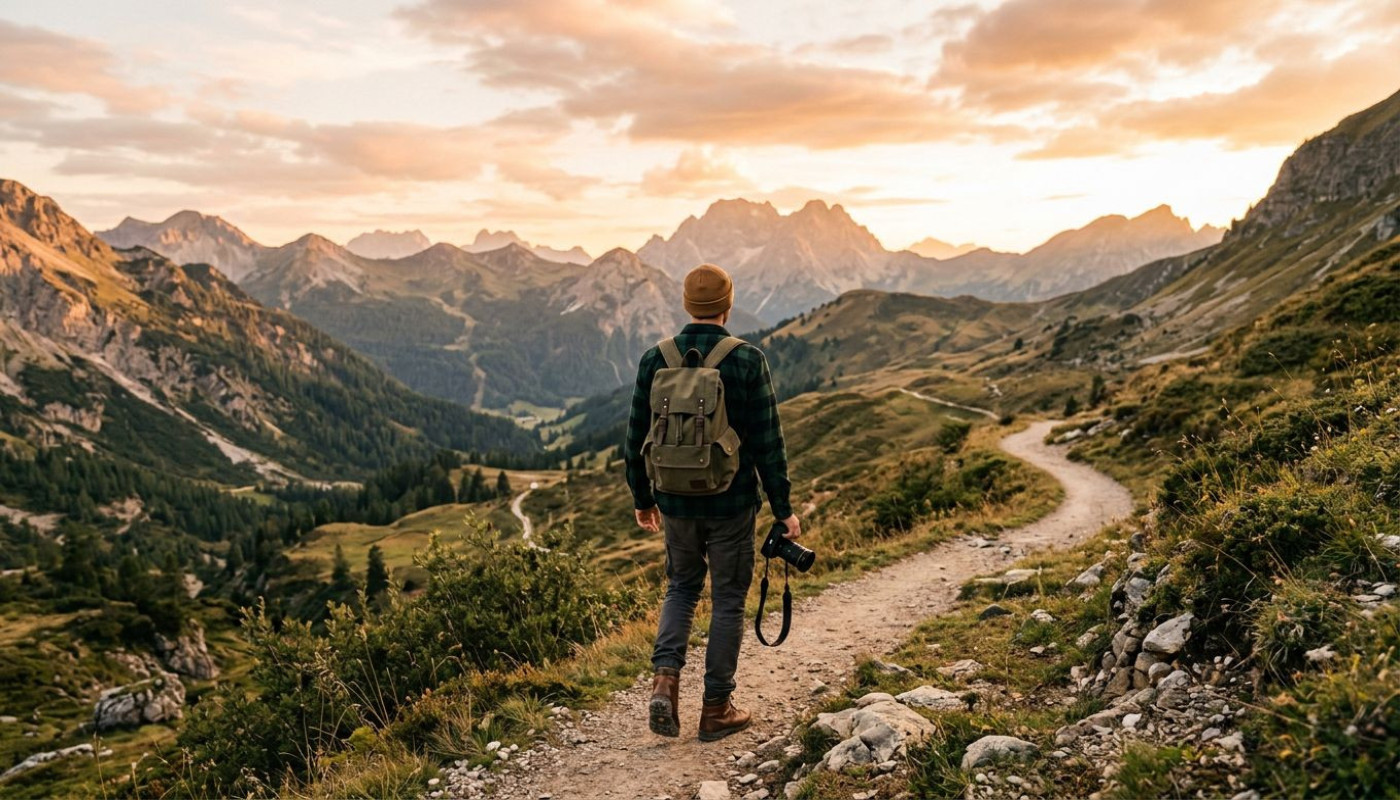
What does a “spontaneous day” look like in practice, and why does it feel so different? It starts with permission: you decide that the goal is not to tick boxes but to notice what is happening around you, and then to follow the thread. Cities and regions broadcast those threads constantly, through posters for a neighborhood market, a banner for a free concert, a museum late opening, or simply the density of people in one street compared with the silence in another. Travel platforms have tried to formalize this with “near you” suggestions, but the most reliable indicator remains physical, where locals go when they are not performing the city for visitors.
Data backs the value of this approach because it changes how you allocate time, the rarest resource on a trip. The UK-based consultancy Arup and various European mobility studies have shown that travelers consistently underestimate “transfer time”, the hidden minutes between attractions, waiting at crossings, getting lost in stations, or navigating crowds. A heavily planned day packs too many fixed points into a limited window, and the result is anxiety, not enjoyment. When you keep the schedule light and choose the next stop based on proximity and mood, you reduce dead time and end up seeing more of the place’s texture, its back streets, its small parks, its everyday commerce.
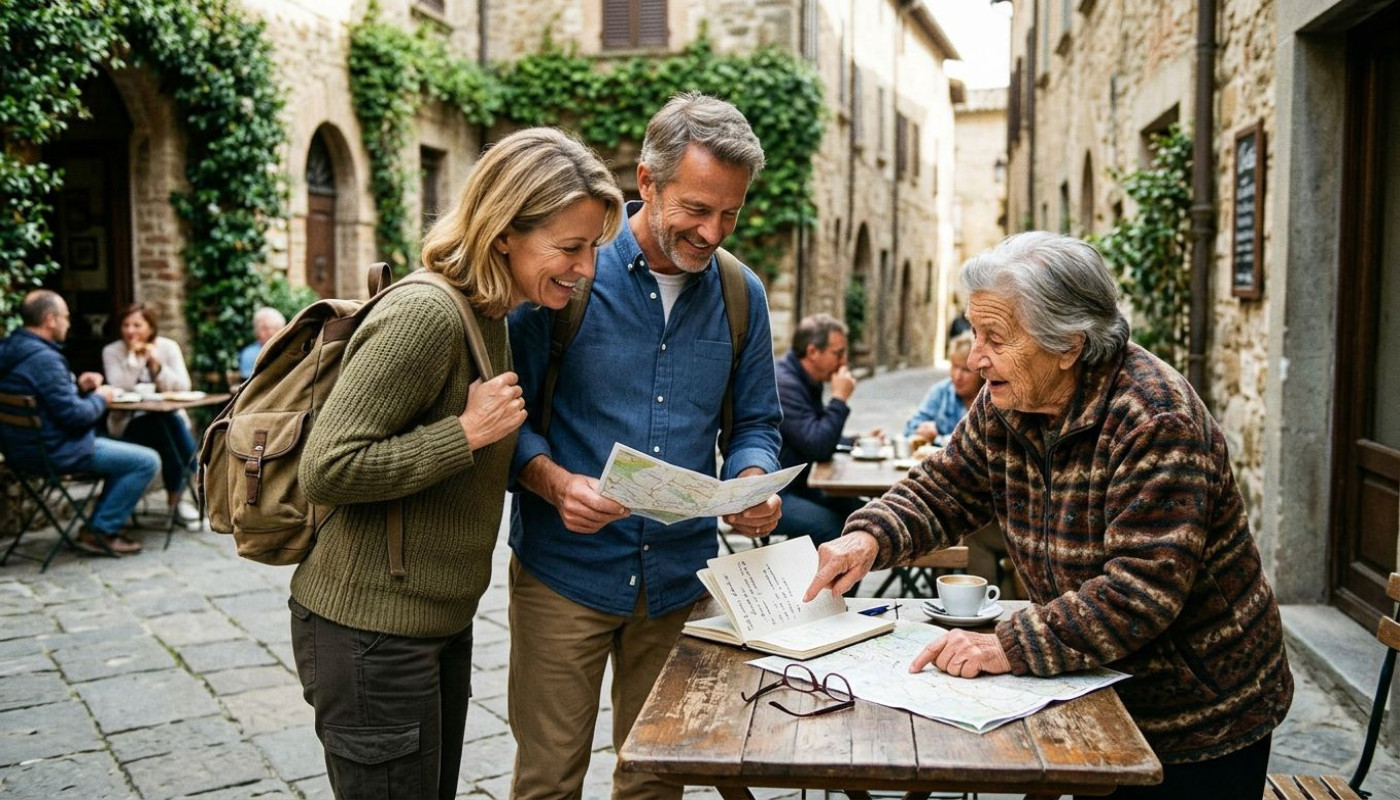
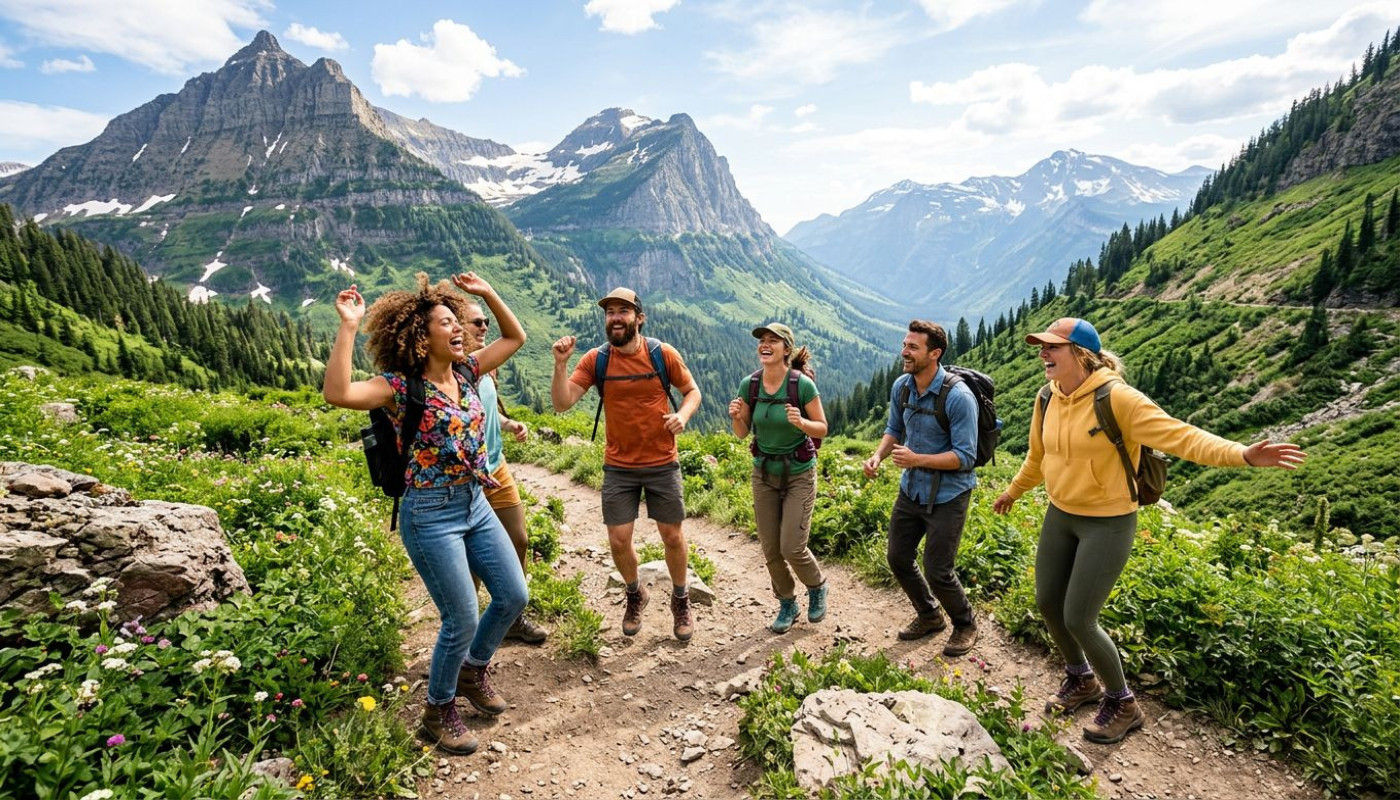
Spontaneity is also a social strategy. Many travelers say they want “authenticity”, but that word is overused and often meaningless; what people actually crave is contact, a brief conversation, a recommendation, a moment of being guided by someone who lives there. Those moments are hard to pre-book. They happen when you ask the barista what locals do on a rainy Tuesday, when you join a communal table because every seat is taken, or when you accept that a detour is not a mistake. In that sense, unplanned travel is less about chaos and more about leaving space for the city to answer back.
And yes, it can be safer than it sounds, provided you replace rigid planning with flexible structure. The trick is to set a few anchors, where you sleep, how you get back, what your “must-not-miss” is, and then let the rest breathe. That is when the day without a map becomes not a gamble but a method, you reduce decision fatigue by limiting fixed commitments, while staying open to the opportunities that only show up once you are there.
Small detours, big shifts in budget
Spontaneous travel is often framed as indulgent, but it can quietly reshape the economics of a trip in your favor. Consider the basic mechanics of tourist pricing: the most visible attractions cluster demand into narrow time bands, which pushes prices up and compresses experiences. When you step away from that gravity, you often find lower costs, shorter waits, and better service, and none of it requires “travel hacking”. A lunchtime menu in a residential district can cost half of what you pay near the main square, and the quality can be higher because the restaurant is serving repeat customers, not one-time visitors.
Transport is another lever. Many countries price mobility in ways that reward off-peak behavior, and tourists who plan every hour often end up paying the peak premium. In Switzerland, for example, the difference between a tightly choreographed day and a flexible one can be the difference between rushing for a specific connection and calmly taking the next train, using your time for a lakeside walk instead of a platform sprint. Switzerland’s network is famous for frequency and reliability, yet the country is also expensive, which makes smart planning essential even for travelers who want to be spontaneous. If you are building a trip that mixes structure with flexibility, it is worth checking more info to understand how routes, regional passes, and seasonal options can influence both budget and freedom on the ground.
Accommodation can follow the same logic, but with a caveat. In high-demand destinations, last-minute rooms can be punishingly priced; however, spontaneity does not require last-minute hotels, it requires last-minute days. Booking a base for three or four nights, then deciding each morning which valley, museum, or neighborhood to explore, offers most of the benefits without the risk. The savings show up in smaller ways too: fewer taxis because you stop over-scheduling, fewer wasted tickets because you do not lock yourself into five timed entries, and fewer “panic purchases” when a plan collapses and you pay whatever it takes to salvage it.
There is also a psychological budget, and it matters. When every hour is pre-sold to an activity, the smallest disruption feels like financial loss, which can sour the entire day. Spontaneity reframes change as part of the purchase, you are not losing value, you are reallocating it. The result is a trip that feels more generous, even if you spend the same amount, because the money follows your actual energy rather than an old spreadsheet.
Spontaneity needs rules, not chaos
Here is the part travelers rarely admit: too much spontaneity can be exhausting. The brain can only make so many decisions before everything feels heavy, a concept psychologists call decision fatigue, and travel is already decision-dense, where to go, what to eat, which ticket to buy, how to get back. The solution is not to abandon spontaneity but to give it a framework, and the framework is surprisingly simple. Pick one fixed highlight per day, keep it early or late, then leave the rest open, and you will feel both free and grounded.
Good spontaneity is also informed. That means a quick scan in the morning for weather shifts, transit disruptions, and major events that might affect crowds. It means knowing the “closing time trap”, many European museums and smaller attractions close earlier than visitors expect, while restaurants may stop serving hot food between services. It means understanding local holidays and Sunday closures, which can turn a spontaneous shopping plan into a long walk past shuttered doors. This is not over-planning, it is basic situational awareness, the kind you develop after one avoidable mistake.
Safety belongs in the framework too, and the journalistic reality is that cities have uneven risk profiles. Most spontaneity happens in normal spaces, markets, parks, busy streets, but travelers should still set personal rules: keep a charged phone, carry the address of your accommodation offline, avoid isolated shortcuts at night, and treat over-friendly offers with caution. Spontaneous does not mean naive, and it does not mean ignoring local advice. It means staying responsive while protecting your baseline.
Finally, spontaneity works best when you travel with other people and negotiate expectations upfront. One person’s “let’s wander” is another’s “we are wasting time”, and that conflict can poison a day. Agree on a few non-negotiables, food preferences, pace, budget ceiling, then let the rest be discovered together. In the end, the most transformative part of spontaneous travel is not the detour itself, it is the shift in mindset, you stop treating the place like a checklist and start treating it like a living environment that can surprise you back.
How To Keep It Practical
Reserve one headline activity early, set a daily spend cap, and keep two flexible options saved for bad weather. Use rail and local transit to avoid surge taxi costs, and check whether regional passes or discounted off-peak tickets apply. If you qualify for student, youth, or senior reductions, bring proof; those rebates are often significant.
On the same subject