Table of contents
Overcrowded landmarks, identical souvenir shops and the same “top 10” lists on repeat: for many travellers, the classic itinerary is starting to feel like a script. Yet across Europe and beyond, a quieter shift is underway, pushed by rising tourist taxes, resident backlash and a growing appetite for places that still feel lived-in. Detouring off the beaten path is no longer just a romantic idea, it is often the smartest way to travel better, spend wiser and come home with stories no algorithm could have predicted.
When overtourism rewrites the travel map
Can a destination love you back if it is exhausted? In 2024 and 2025, the debate around overtourism has moved from travel columns to city halls, because the numbers and the politics have caught up with the postcards. Paris hosted the 2024 Olympics and saw pressure on accommodation supply intensify, Venice kept experimenting with visitor management and day-tripper fees, and Barcelona’s leadership doubled down on measures aimed at curbing tourism’s footprint in everyday neighbourhoods. The details vary by city, but the direction is clear: the “must-see” circuit is getting more expensive, more regulated and, at peak times, simply less enjoyable.
Data helps explain why detours are gaining ground. The UN World Tourism Organization reported international tourism returning close to pre-pandemic levels in 2024, with billions of cross-border trips again flowing into the same iconic hubs, and with that rebound comes the familiar strain on public transport, short-term rental markets and public space. At the same time, price dynamics have changed; in many capitals, hotel rates remain elevated compared with 2019, while local authorities lean on tourism taxes as a tool to fund services. For travellers, this translates into longer queues, tighter budgets and a sense that the “classic” experience is being rationed.
Detouring, then, is not an act of contrarianism, it is a rational response. Choosing a secondary city, a rural rail line or a shoulder-season route can immediately reduce friction: fewer timed-entry battles, more spontaneous dining, and a stronger chance to speak with people who are not performing their city for an endless line of visitors. It also spreads spending beyond the postcard districts, a point increasingly raised by regional tourism boards that want growth without collapse. The travel map is being rewritten, and the most rewarding journeys often start where the crowds stop.
The detour is where the culture is
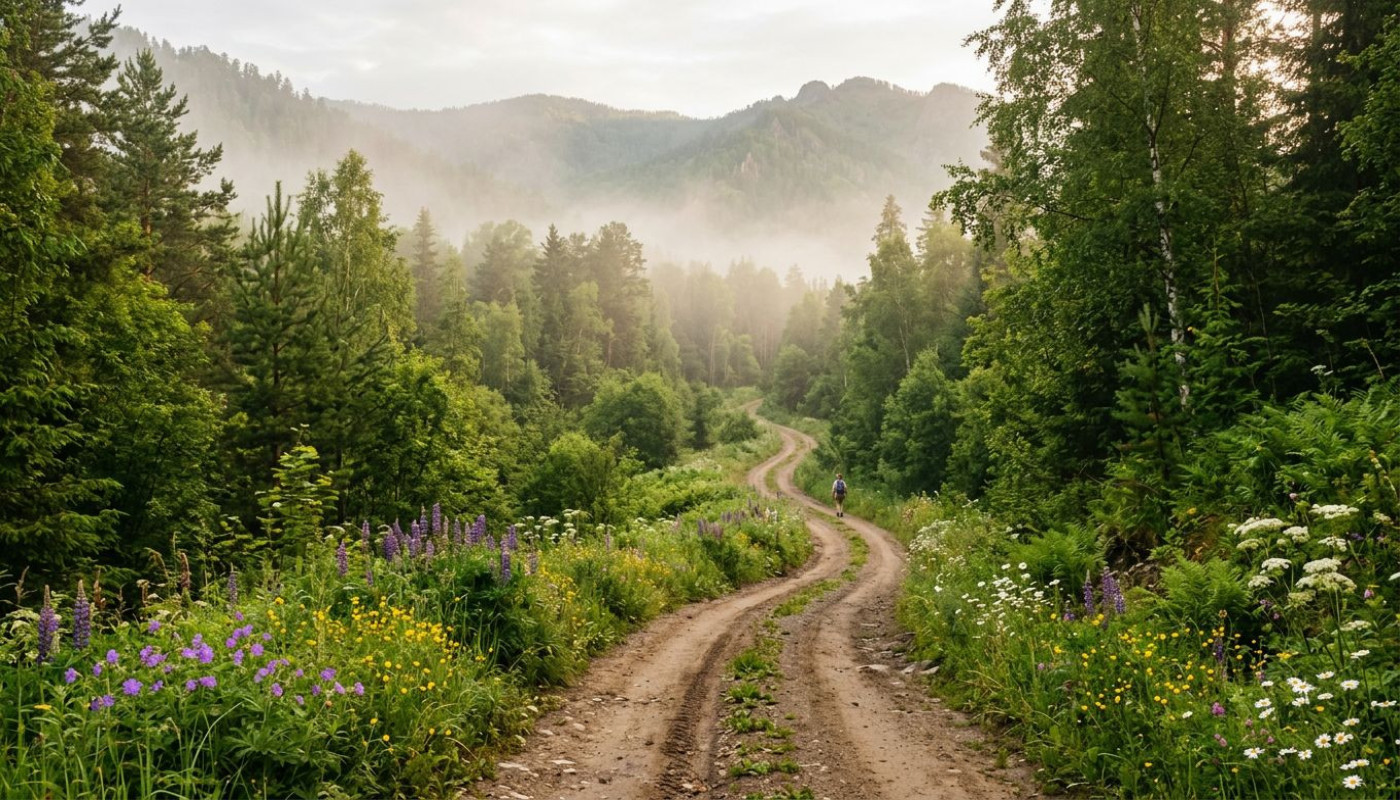
Forget “hidden gems”; think living places. Off-the-beaten-path travel works best when it is not treated like a scavenger hunt for secrecy, but as a deliberate choice to spend time where daily life is still the headline. Secondary neighbourhoods, small towns and regional capitals often offer the same architectural layers and culinary depth as famous hotspots, yet without the saturation that turns culture into a conveyor belt. The difference is not that these places are unknown, it is that they are under-visited relative to their capacity, and that changes the entire tone of a trip.
There is also a cultural logic to detours: they slow you down, and slowness is a gateway to understanding. A traveller who spends an extra afternoon in a market town, rides a local train rather than a fast connection, and stays long enough to learn a few rhythms, will often encounter a more truthful version of a region. Museums can be quieter, guides more available and restaurants less pressured to flip tables; even simple interactions, buying fruit, asking for directions, taking part in a local festival, feel less transactional. In the age of hyper-visibility, authenticity is not a marketing label, it is a by-product of time and attention.
Practical benefits follow the cultural ones. Detours can stretch a budget because prices for accommodation, food and activities frequently drop as you move away from the most photographed streets; that matters at a moment when inflation and currency swings still shape travel decisions. They can also improve safety and comfort, especially during heatwaves that have become more common across southern Europe; smaller destinations may offer cooler microclimates, more green space and easier access to nature. Travelling differently does not mean travelling “less”; it means redistributing your itinerary so that the highlights are not only monuments, but moments.
Planning a smart detour, not a gamble
A detour should feel liberating, not stressful. The trick is to plan enough to stay confident, then leave enough space to be surprised, and that balance starts with logistics: transport, timing and local context. Rail networks make detours easier across much of Europe, but the real gains come from choosing the right connections, because a “short” distance can still become a long day if schedules are sparse. Travellers increasingly build itineraries around reliable hubs, then branch out for one- or two-night stops, which reduces the risk of being stranded while still delivering that sense of discovery.
Timing is the second lever, and it is often underrated. Shoulder seasons, late autumn city breaks, early spring coastal walks, can deliver the same landscapes with a fraction of the crowding, and often at significantly lower prices. Weather patterns are also shifting; in some regions, July and August can be uncomfortably hot, so a detour is sometimes a climate adaptation strategy as much as a cultural choice. The third lever is local knowledge: knowing which days markets run, when museums close, how public holidays change opening hours, and where local events might affect accommodation availability.
This is where structured, destination-specific guidance becomes valuable, particularly for travellers who want independence without improvising everything. Using a curated planning resource can help identify practical routes, realistic day trips and neighbourhoods that reward walking, while filtering out the noise of generic “best of” lists. For travellers building a detour-friendly itinerary, https://www.york-trip.com is one way to map options, compare ideas and ground plans in on-the-ground detail, so the journey feels intentional rather than accidental. The goal is not to collect places, it is to connect them sensibly, and that requires information that is both inspiring and usable.
Spending off-route, and why it matters
Your money votes; where will it land? Travel spending is not neutral, and detours can change who benefits from tourism. In saturated districts, a large share of visitor spending often concentrates in a narrow set of businesses geared toward high footfall, while residents shoulder the costs: higher rents, crowded streets and strained services. By contrast, regional destinations may welcome tourism because it supports jobs, keeps restaurants open year-round and helps fund heritage preservation, and travellers who venture there often find a warmer, less defensive atmosphere.
There is an environmental dimension too. Detours aligned with slower transport, trains instead of short-haul flights, longer stays rather than constant movement, can reduce the footprint per day of travel. While the biggest emissions decisions are typically about how you get to a country, not what you do inside it, itinerary design still matters; a trip built around fewer bases and more local exploration often cuts unnecessary mileage. Some travellers also choose detours that support conservation or rural economies, such as park fees, guided nature walks or community-led cultural projects, and those choices can be meaningful when done respectfully.
Done well, off-the-beaten-path travel is not about claiming exclusivity, it is about behaving like a guest rather than a consumer. That means learning basic etiquette, respecting quiet neighbourhoods, understanding local rules around short-term rentals and protected areas, and being mindful with photos and social media geotags when a place feels fragile. The reward is a more human trip: conversations that are not rushed, meals that feel personal, and a sense of being present in a place rather than passing through a set. The detour is not a detraction from the journey, it is often the part that lasts.
Make the detour work for your budget
Practicalities decide whether you go. Travellers looking to detour successfully should start with reservations: book long-distance transport and key accommodation early if you are travelling during school holidays, then keep flexibility for day-to-day choices once you arrive. If you are mixing famous cities with quieter stops, consider placing the “big-name” destination first or last; it can simplify connections and reduce the temptation to overpack the schedule.
Budget planning is straightforward when you detour with intent. Set a ceiling for accommodation, then allocate more to experiences that cannot be replicated, a local guide, a regional tasting, a museum pass that supports institutions, and look for travel cards or rail passes that match your pace. Finally, check for relevant aids and discounts: student and youth rates, senior fares, off-peak tickets and multi-day passes can materially reduce costs, and they often apply most easily outside peak-hour, peak-season travel.
On the same subject